
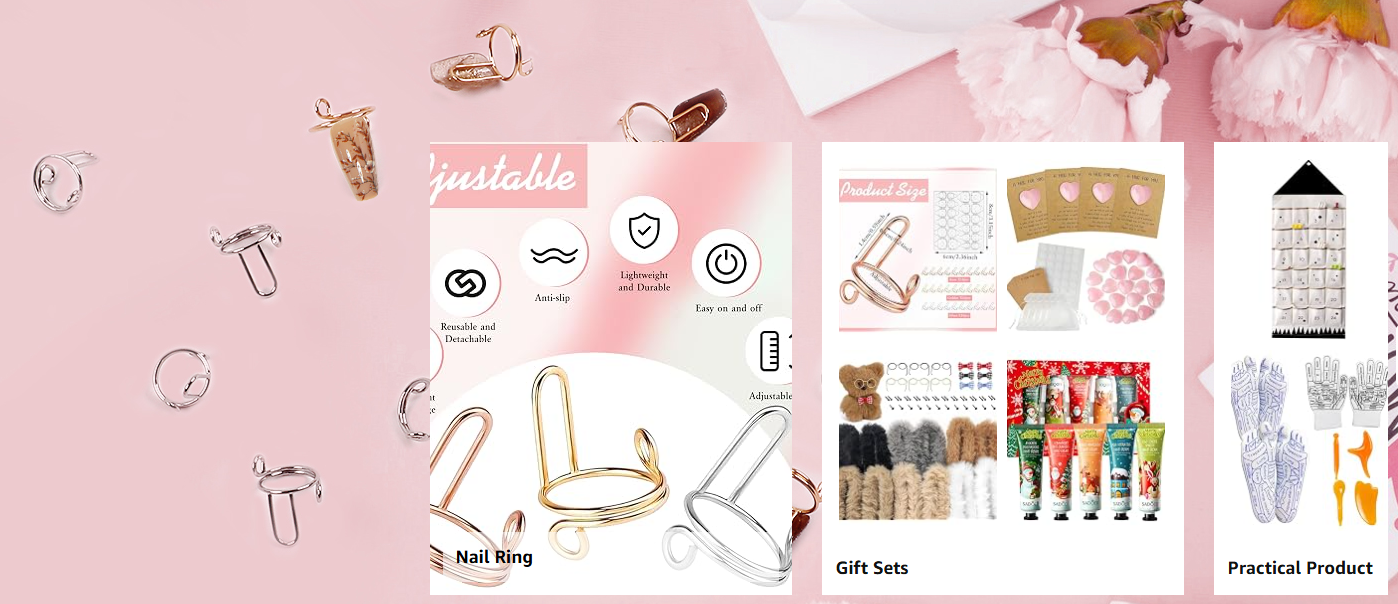
Wudu Nail Rings: A Practical Guide to Water-Safe Nail Accessories
For many people, wudu is a quiet, deliberate part of the day. It is also a practical ritual in which water must reach the skin and nails. That is why small accessories such as Wudu nail rings have started to attract attention. They promise a way to enjoy nail jewelry or nail protection without ignoring the basic need for water access. The idea is simple, but the details matter. A ring that looks delicate on the hand can still trap water, create moisture, or make wudu harder than it needs to be. This guide looks at how these accessories are designed, what to check before wearing them, and how to use them responsibly.
Why Nail Accessories Need Extra Thought During Wudu
Wudu involves washing the hands, face, arms, head, and feet. When it comes to the hands, water needs to reach the skin and the visible surface of the nails. Tight jewelry, thick coatings, and closed covers can interfere with that process. The key is not simply whether an accessory is small, but whether it allows water to flow freely and whether it can be cleaned and dried properly afterward.
Water Access Matters More Than Appearance
Fit comes first. A ring that presses into the skin may block water from reaching the area underneath it. Open design helps. Accessories with gaps, open bands, or adjustable shapes are generally easier to rinse and dry. Cleanliness matters too. Any item worn on the hands can collect soap, lotion, dust, or moisture, so it should be easy to remove and clean.
What Are Wudu Nail Rings?
Wudu nail rings are usually small decorative rings or bands worn on or around the nail area. Some are designed as open accessories that sit lightly on the finger, while others are marketed as nail jewelry that can be worn between washing routines. They are not a replacement for proper wudu, and they should not be used to hide or seal the nail surface in a way that prevents water from reaching it. Instead, they are best understood as accessories that require careful selection and responsible use.
Many people are drawn to them because they combine personal style with an awareness of religious practice. Still, the most important question is always practical: can water reach the nail and surrounding skin easily when the accessory is worn or removed? If the answer is unclear, the safest approach is to remove the item before wudu and clean the hands thoroughly.
Nail Rings for Wudu: Fit, Material, and Daily Comfort
Nail rings for wudu should be chosen with the same care you would give to any item worn daily. Material matters because some metals, coatings, and finishes may hold moisture or cause irritation. Smooth, corrosion-resistant materials are often easier to rinse and dry. Adjustable designs can also help avoid pressure points, especially if fingers change size during the day.
A Quick Fit Checklist
- Loose enough to rinse: Water should pass around the accessory, not sit underneath it.
- No sharp edges: Rough edges can scratch the skin and make cleaning difficult.
- Easy to remove: If it takes effort to take off, it may discourage proper care.
- Comfortable for long wear: Discomfort often leads to fidgeting, pressure, and trapped moisture.
- Simple to dry: After washing, the item and the skin beneath it should dry fully.
If you wear nail rings for wudu regularly, build a small routine around them. Remove them before major washing, rinse and dry them after contact with water, and allow the skin to breathe. This is especially important in humid weather or after exercise, when moisture can linger.
Wudu Nail Covers: When They Make Sense
Wudu nail covers are often marketed as protective caps or shields for the nails. They can be useful for protecting nail art, reducing damage during chores, or keeping nails clean in messy situations. However, they are not a shortcut for wudu. If a cover prevents water from reaching the nail, it should be removed before wudu. The safer use is between washing routines, not as a barrier during the washing itself.
This is a point where personal research and religious guidance matter. Different scholars may offer different details about substances, coatings, and barriers on the nails. If you are unsure whether a particular cover or coating allows water to reach the nail, ask a qualified teacher or scholar rather than relying on product labels alone. A helpful accessory should support your practice, not create doubt.
How to Choose and Care for Wudu-Friendly Nail Accessories
Start with openness. Look for designs that do not seal the nail or press tightly against the skin. Check the material. Choose smooth finishes that can be rinsed and dried without trapping residue. Test with water. Before wearing an item for daily use, wet your hands and see whether water flows around it easily. Dry completely. Pat the hands dry, then let the accessory and skin air-dry before wearing it again. Avoid over-wearing. Give the skin and nails time without accessories, especially if you notice redness or moisture. Ask when unsure. Religious practice is personal, and a qualified scholar can address specific cases involving coatings, covers, and jewelry.
Common Mistakes to Avoid
Mistake one: assuming that a small ring is automatically water-safe. Size alone does not guarantee water access. Mistake two: wearing a cover during wudu and hoping for the best. If it blocks water, remove it. Mistake three: ignoring moisture underneath the accessory. Trapped water can cause discomfort and odor. Mistake four: treating any product as a religious ruling. A shop description is not a fatwa, and a beautiful design is not proof of validity.
Final Thoughts
Wudu nail rings, nail rings for wudu, and wudu nail covers can be useful accessories when they are chosen and used with care. The central principle is simple: water access, cleanliness, and comfort should come before style. If an accessory makes wudu harder or creates uncertainty, remove it. If it is open, easy to clean, and comfortable, it can fit more naturally into a balanced routine. Treat these items as practical tools rather than shortcuts, and you will be more likely to use them wisely.