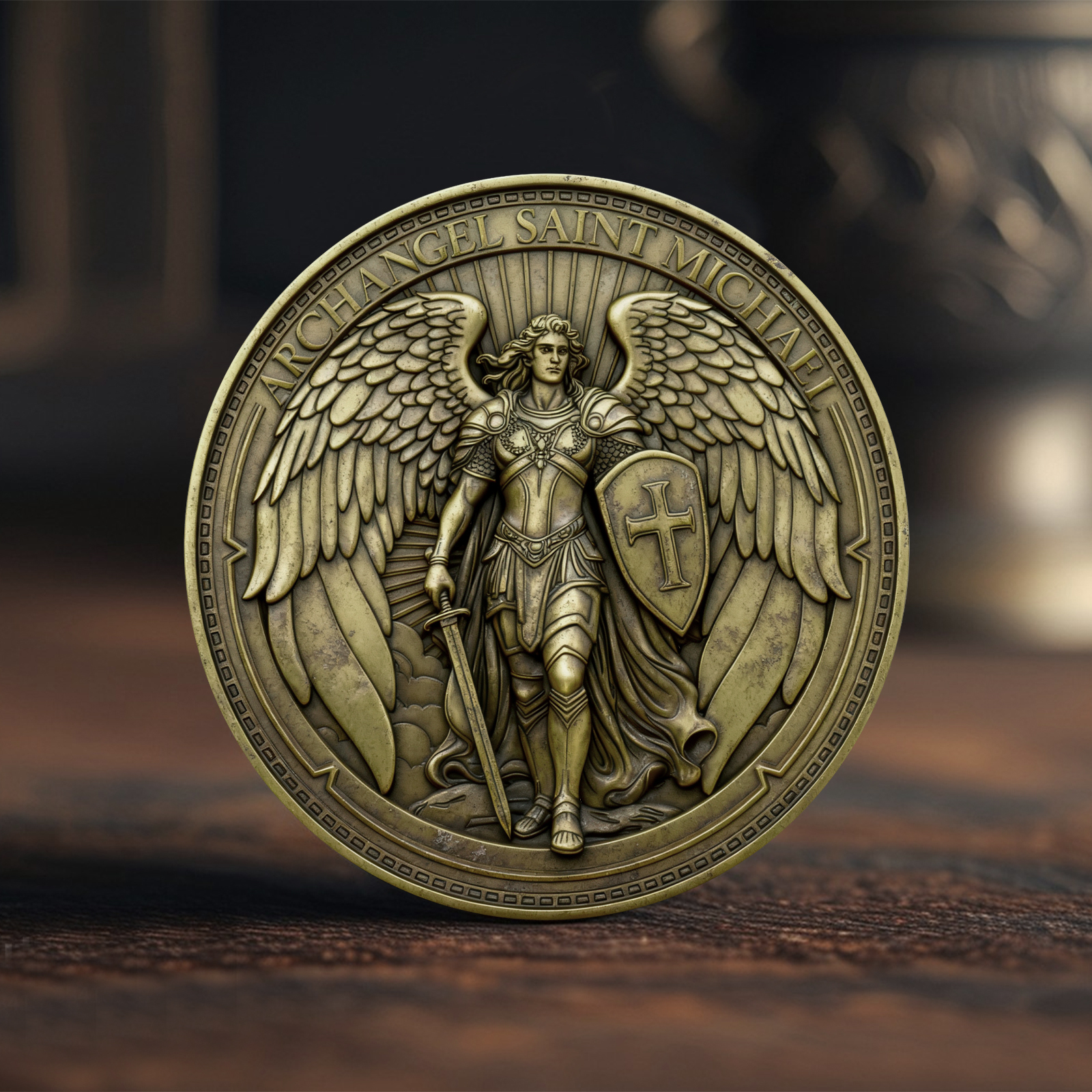
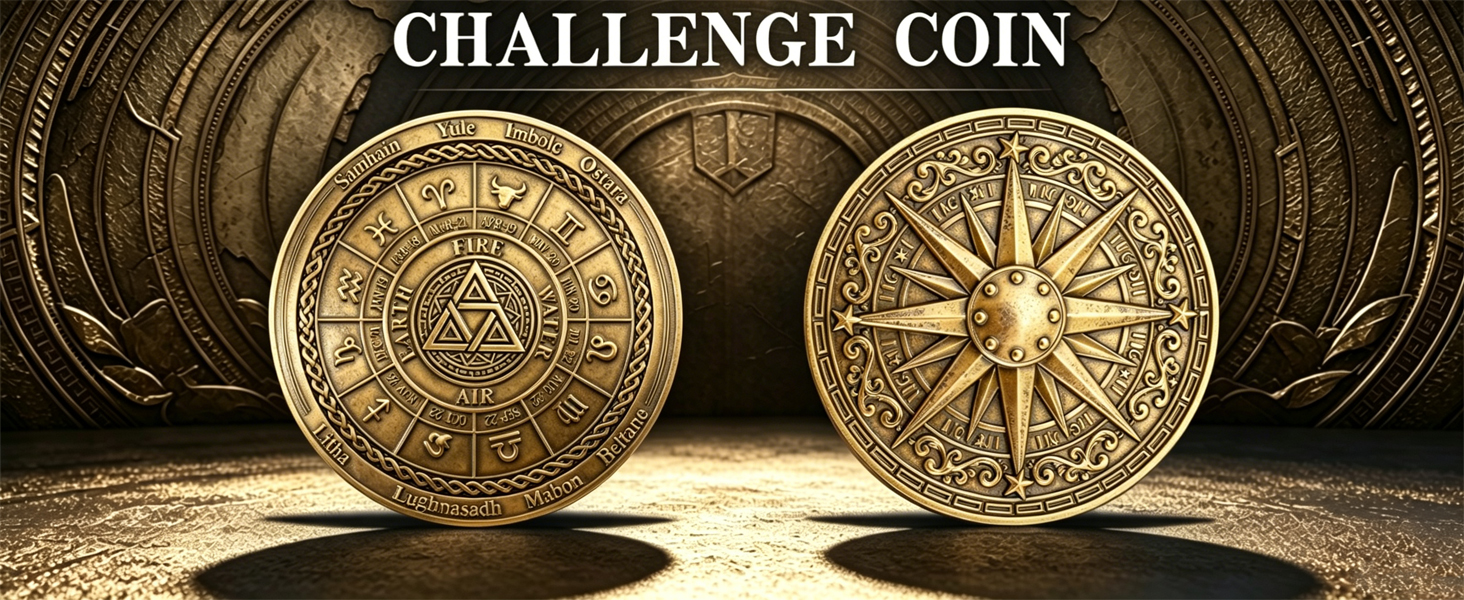
More Than Metal: The Enduring Appeal of Collectible, Challenge, and Sobriety Coins
Coins are easy to overlook. They rattle in pockets, sit in drawers, and pass from hand to hand without much ceremony. Yet certain coins are far more than currency. Collectible coins preserve history and craftsmanship. Challenge coins carry camaraderie, identity, and a sense of belonging. Sobriety coins mark personal milestones, courage, and daily commitment. Together, these three kinds of coins show how a small piece of metal can hold memory, meaning, and momentum.
Collectible Coins: History in Your Palm
Collectible coins appeal to people who love stories, detail, and discovery. A rare date, a minting error, a faded portrait, or a unusual edge can turn an ordinary coin into a object of fascination. For many collectors, the thrill is not simply ownership. It is the research, the hunt, and the quiet satisfaction of understanding why one coin survived while another disappeared.
- Rarity: Low mintage or short production runs can make a coin difficult to find.
- Condition: Sharp details, original surfaces, and minimal wear often increase desirability.
- Story: Historical context can matter as much as grade or catalog value.
Serious collectors often focus on a theme: ancient empires, wartime issues, commemorative designs, or coins from a single country. Others collect by intuition, choosing pieces that feel beautiful or mysterious. Either way, collectible coins reward patience. They teach collectors to slow down, compare details, and appreciate objects that have already lived a long life.
“A coin is a tiny archive—a portrait, a date, a promise, and a story pressed into metal.”
Challenge Coins: A Handshake You Can Hold
Challenge coins are built around connection. Often associated with military units, first responders, fraternal organizations, and teams, they are given to recognize service, mark membership, or commemorate a shared experience. A challenge coin is not usually spent. It is carried, displayed, traded, or presented in a moment of respect.
Why They Matter
The power of a challenge coin comes from its social meaning. It can say “I was there” or “You belong” without a long speech. In some traditions, carrying a challenge coin is part of the culture; being asked to produce it can lead to friendly rivalry, storytelling, and laughter. The coin becomes a portable reminder of loyalty and shared sacrifice.
- Recognition: Coins honor effort, bravery, leadership, or faithful service.
- Belonging: A unit or team coin signals identity and common purpose.
- Memory: Events, deployments, graduations, and retirements become tangible.
Designs vary widely, from bold emblems and mottoes to detailed crests and custom artwork. Collectors are drawn to challenge coins for their craftsmanship, but also for the human stories behind them. Each coin can represent a person, a place, a mission, or a moment that words alone might not capture.
Sobriety Coins: Small Tokens, Big Milestones
Sobriety coins—sometimes called sobriety medallions or recovery tokens—carry a different kind of weight. They are often used in recovery communities to mark periods of abstinence and personal growth. A coin for thirty days, one year, five years, or a decade can become a powerful symbol of perseverance. It is not a trophy in the usual sense. It is a reminder of choices made one day at a time.
One day at a time is more than a slogan. On a sobriety coin, it becomes a compact promise: keep going, ask for help, and honor the progress already made.
Many sobriety coins feature simple phrases, serenity prayers, Roman numerals, or meaningful symbols. Some people carry their coins as pocket reminders. Others keep them on a desk, in a wallet, or beside a bed. The coin may be small, but its emotional value can be enormous. It represents honesty, community, and the courage to begin again.
What the Three Have in Common
Collectible coins, challenge coins, and sobriety coins occupy different worlds, yet they share a common language. They turn abstract ideas into something you can hold.
- Memory: Each coin can anchor a story, a person, or a turning point.
- Identity: Coins can express who we are, what we value, and where we belong.
- Ritual: Giving, receiving, carrying, or displaying a coin can make a moment feel real.
They also remind us that value is not always financial. A coin may be common, worn, or imperfect, yet still priceless to the person who keeps it. The most meaningful pieces are often the ones tied to a memory that no catalog can measure.
Building a Thoughtful Collection or Gift
Whether you are starting a collection or choosing a gift, begin with purpose. Ask what story you want the coin to tell. Is it about history, service, recovery, friendship, or achievement? A focused approach often creates a more satisfying collection than random accumulation.
- Choose a theme: Follow a country, era, unit, recovery milestone, or design style.
- Learn the details: Study mint marks, materials, condition, and maker history.
- Protect the piece: Use holders or capsules to prevent scratches and wear.
- Record the story: Note where the coin came from and why it matters.
A coin given with care can become a lasting keepsake. Engraved dates, unit symbols, recovery milestones, or personal messages can transform a simple design into an heirloom. The best choices are not always the most expensive; they are the ones that feel true to the recipient.
Final Thoughts
Collectible coins, challenge coins, and sobriety coins prove that small objects can carry large meanings. One preserves history, one celebrates belonging, and one honors personal courage. Together, they show that a coin is never only metal. It is memory, identity, and hope—pressed into a shape that fits in the palm and stays in the heart.